Modern Foreign Languages - French
Overview
The French curriculum introduces students to the French language and francophone cultures, building confidence in communication and intercultural understanding. Using the Accès Studio, Studio 1 and Studio 2 courses, students develop skills in listening, speaking, reading, and writing. Lessons focus on practical communication, developing phonics, grammar awareness, and cultural knowledge. Students can expect engaging, interactive lessons that build progressively towards independent language use.
Curriculum Intent
The department aims to:
-
Develop confident communicators who can understand and express themselves in French.
-
Build strong foundations in phonics, vocabulary, and grammar.
-
Foster curiosity and appreciation of French-speaking cultures
-
Encourage resilience, independence, and risk-taking in language learning.
-
Equip students with transferable literacy and communication skills.
Key knowledge includes:
-
Core vocabulary across topics such as family, school, hobbies, and lifestyle.
-
Grammatical structures (e.g. present tense, near future, opinions)
-
Phonics and pronunciation patterns
Key skills include:
-
Listening for gist and detail
-
Speaking with increasing fluency and accuracy
-
Reading authentic and adapted texts
-
Writing using a range of structures.
Curriculum Implementation
Teaching Approach
-
Use of the Studio coursebooks to provide structured progression
-
Emphasis on phonics and pronunciation from the start
-
Modelling and scaffolding of language before independent practice
-
Regular retrieval practice and spaced repetition of vocabulary
-
Interactive activities, pair work, and speaking opportunities.
Sequencing of Learning
-
Begins with phonics and basic classroom language in Year 7 (Accès Studio)
-
Builds to simple sentence construction and opinions in Year 8 (Studio 1)
-
Progresses to more complex structures (e.g. multiple tenses) in Year 9 (Studio 2)
-
Topics are revisited and extended to deepen understanding.
Assessment
-
Regular formative assessment (quizzes, vocabulary tests, speaking tasks)
-
End-of-unit assessments covering all four skills.
-
Summative assessments aligned with GCSE-style tasks (where appropriate)
-
Feedback focused on improving accuracy and extending responses.
Curriculum Impact
Success is measured through:
-
Student progress in all four language skills
-
Increasing accuracy and complexity in spoken and written work
-
Confidence in using French spontaneously in the classroom.
-
Assessment outcomes and progress data
-
Student voice, indicating enjoyment and confidence in language learning.
Examples of impact:
-
Students producing extended written paragraphs with opinions and reasons.
-
Use of multiple tenses by Year 9
-
Clear pronunciation and improved listening comprehension
Curriculum Structure
Key Stage 3
| Year | Topics / Units | Key Knowledge & Skills |
| 7 | Accès Studio: greetings, classroom language, family, animals, colours, hobbies |
Basic phonics and pronunciation |
| 8 | Studio 1: describing self and others, school, free time, town | Expanding present tense usage Describing activities and experiences Developing longer spoken and written responses |
| 9 | Studio 2: travel, leisure, tourism | Using multiple time frames (past, present, future) Giving justified opinions and extended answers Understanding more complex texts Increased independence in speaking and writing |
Textbook(s):
-
Accès Studio, Studio 1, Studio 2
Useful Websites:
-
Languages Online
https://www.languagesonline.org.uk/Hotpotatoes/frenchindex.html#google_vignette
-
Quizlet
https://quizlet.com/search?query=french&type=sets
-
Oak Academy
https://www.thenational.academy/teachers/programmes/french-secondary-aqa/units?keystages=ks3
Enrichment
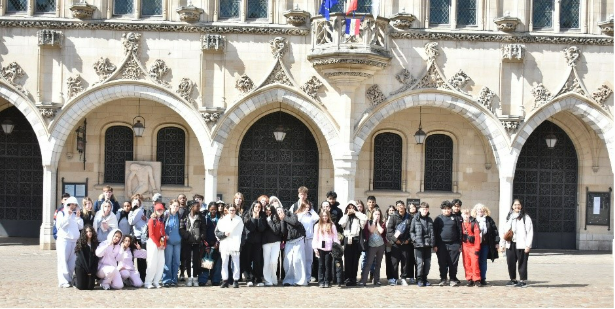
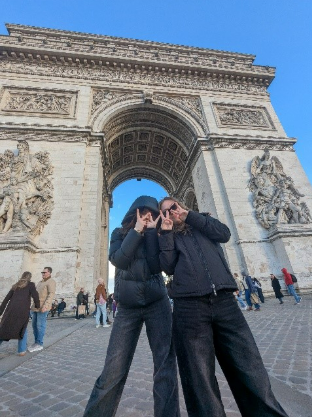
Clubs, trips