Art & Design: Fine Art & Ceramics
Overview
GCSE Art & Design encourages students to develop creativity, confidence, independent thinking and technical skills through a range of practical and critical activities. Students explore a variety of media, techniques and processes while investigating the work of artists, craftspeople and designers. They learn to record observations, experiment with materials, develop ideas and produce a personal response.
Curriculum Intent
The department aims to:
-
The department aims to:
-
Develop creative, imaginative and independent learners.
-
Build strong observational drawing and visual communication skills.
-
Encourage experimentation with a wide range of materials, processes and techniques.
-
Develop understanding of historical and contemporary artists.
-
Foster resilience, critical thinking and reflective practice.
-
Prepare students for further study in art, design and the creative industries.
Key knowledge includes:
-
The formal elements of art and how they are applied in personal practice.
-
A broad understanding of historical and contemporary artists, designers and craftspeople.
-
Specialist knowledge of drawing, painting, printmaking, photography, sculpture and mixed media processes.
-
The creative process, including research, recording, experimentation, refinement and presentation.
-
Critical analysis and evaluation using subject-specific vocabulary.
-
Understanding how context, culture and artistic intentions influence creative outcomes.
-
The assessment objectives required for success in the AQA GCSE Art & Design specification.
Key skills include:
-
Advanced observational drawing and recording from primary sources.
-
Experimenting confidently with a wide range of media and techniques.
-
Developing and refining ideas through sustained sketchbook work.
-
Researching and analysing artists to inform personal responses.
-
Evaluating and reflecting on creative decisions throughout the design process.
-
Producing ambitious, personal and meaningful final outcomes.
-
Working independently to manage long-term creative projects.
Curriculum Implementation
Teaching Approach
-
Teacher demonstrations.
-
Artist research and contextual studies.
-
Sketchbook-based learning.
-
Practical workshops.
-
Individual feedback and personalised guidance.
-
Peer critique and self-reflection.
-
Independent project-based learning
Sequencing of Learning
-
Learning begins with skills-based projects in Year 10, developing confidence in a wide range of techniques and media. Students progress to increasingly independent thematic projects before undertaking their Personal Investigation and Externally Set Assignment in Year 11.
Assessment:
Students are assessed through a range of formative and summative methods, including:
-
Ongoing formative assessment.
-
Sketchbook reviews.
-
Practical outcomes and portfolio development.
-
Self-assessment and peer assessment.
-
Mock examination.
-
Portfolio reviews against the AQA Assessment Objectives.
-
Externally moderated GCSE coursework and examination.
Curriculum Impact
Success is measured through:
-
Progress in technical and creative skills.
-
Quality and depth of sketchbook work.
-
GCSE outcomes.
-
Student confidence in evaluating artwork.
-
Independent thinking and problem-solving.
-
High-quality personal responses and final outcomes.
Examples of impact:
-
Students confidently produce sustained, independent bodies of work.
-
Students demonstrate creativity through informed experimentation and refinement
-
Students critically analyse the work of artists and apply their understanding to their own practice.
-
Students develop resilience by responding to feedback and improving their work over time.
-
Students achieve strong GCSE outcomes and are well prepared for A Level Art, vocational courses and careers within the creative industries.
-
Students leave the course with a professional portfolio that showcases their skills and creativity.
Curriculum Structure
Key Stage 4
| Year | Topics / Units | Key Knowledge & Skills |
| 10 | Natural and Organic Forms | Observational drawing, tonal rendering, composition, photography, printmaking, painting, mixed media experimentation, artist research, annotation, analysis, recording from observation, understanding form, texture, pattern and structure. |
| 11 | Personal Investigation & Externally Set Assignment | Independent project development, artist investigation, refinement of techniques, critical analysis, presentation skills, portfolio development and examination preparation. |
Useful websites:
Exam Board: AQA GCSE Art & Design (8201–8206)
Enrichment
-
Art Club.
-
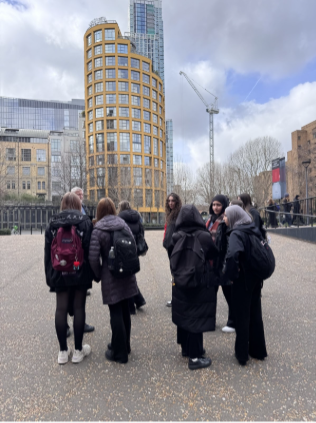
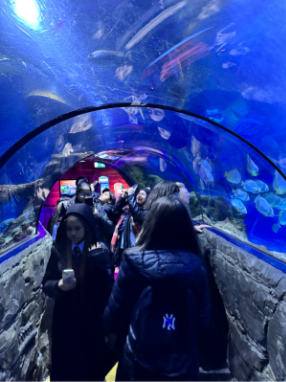
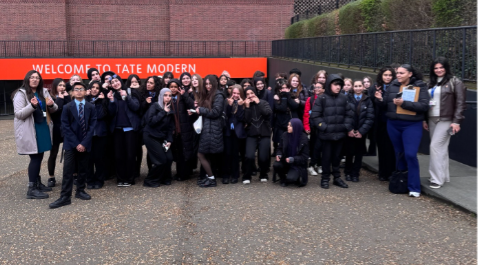
Gallery and museum visits.
-
Artist workshops and visiting practitioners.
-
School and public exhibitions.
-
Local and national art competitions.
-
Creative workshops with external organisations.
-
Opportunities to showcase work within the school and wider community.
-
Visits to universities, colleges and creative industry events where appropriate.